Best pills for erection: symptoms, options, and your next step
Q.ご相談内容
A.東急リバブルからの回答
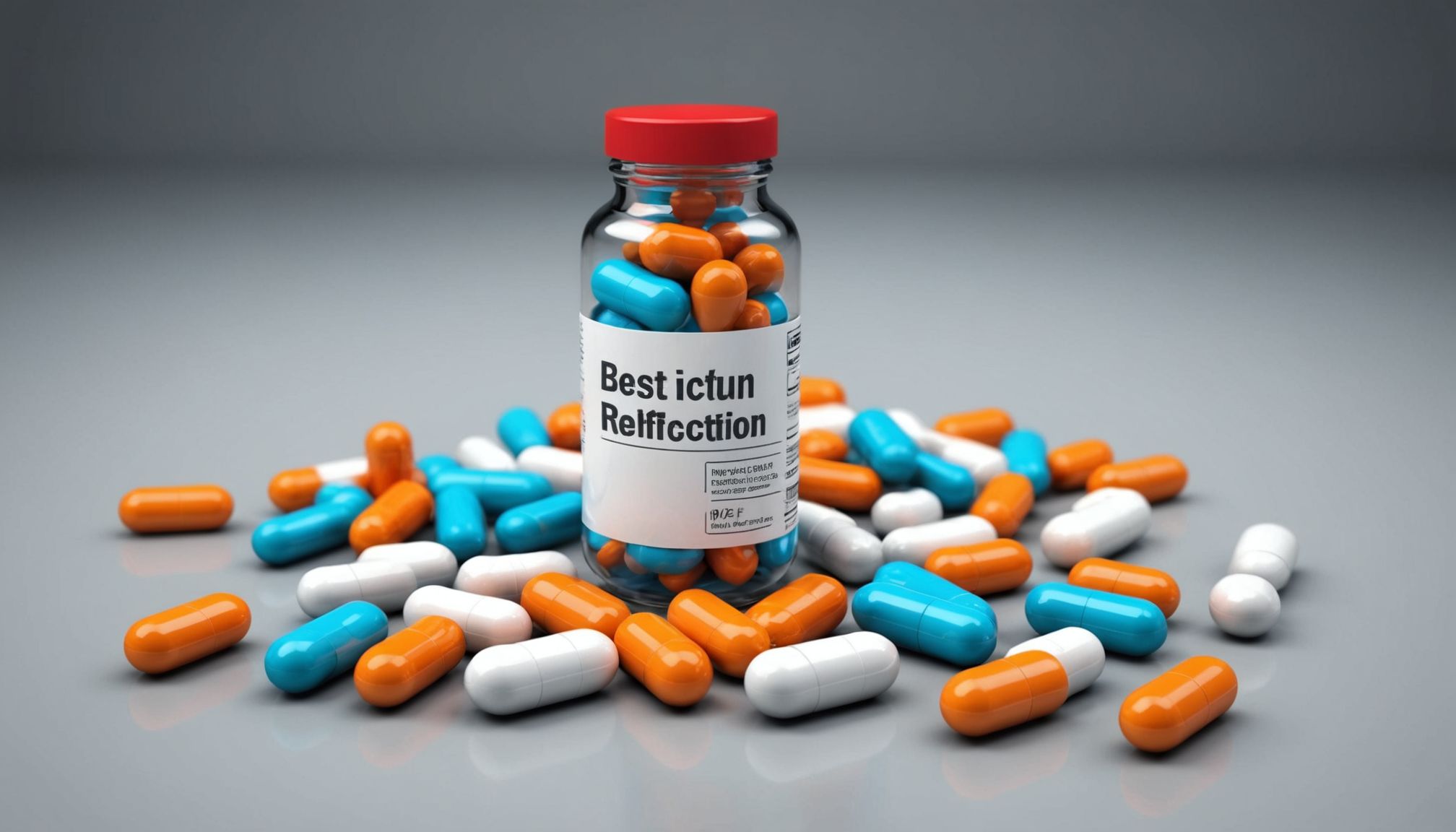
“Best pills for erection”: what it is and what your next step should be
Erectile difficulties are common and often treatable. Searches for the “best pills for erection” usually start with a specific situation—stress, aging, health conditions, or relationship changes—and a desire for a clear plan. This guide follows a user journey: from recognizing symptoms, to understanding what they might mean, to deciding practical next steps with a clinician. Along the way, we’ll keep explanations grounded, cautious, and focused on informed choices rather than quick fixes.
How this fits our site: Like property decisions (土地・建物・不動産取引), sexual health benefits from assessing foundations, understanding structures, and choosing the right pathway. We’ll use those themes—foundations, structures, routes, and compliance (税金・道路のようなルール)—to make decisions clearer.
Disclaimer: This article is for educational purposes only. It does not provide diagnosis, prescriptions, or dosing instructions. Erectile dysfunction (ED) can have many causes; treatment should be discussed with a qualified healthcare professional.
3 typical scenarios
Scenario 1: Occasional difficulty during stressful periods
What this might mean: Short-term erectile difficulty during work pressure, financial planning, or major life decisions can be linked to stress, anxiety, or poor sleep. Like a temporary zoning restriction, the issue may resolve when conditions improve.
What a doctor usually does: A clinician often asks about stressors, sleep, alcohol use, and mental health. They may screen for anxiety or depression and review medications that can affect erections.
Related reading on managing stress across personal and corporate responsibilities: 個人・法人のお客様向けの基礎ガイド.
Scenario 2: Gradual, persistent changes with age or health conditions
What this might mean: Gradual onset can be associated with vascular health, diabetes, high blood pressure, or hormonal changes—similar to how a building’s structure ages over time.
What a doctor usually does: Expect a medical history, blood pressure check, possible blood tests (e.g., glucose, lipids, testosterone when appropriate), and discussion of lifestyle factors.
Scenario 3: Sudden onset after starting a new medication or illness
What this might mean: Some medications (for blood pressure, mood, prostate issues) and acute illnesses can affect erections. This is like a road closure (道路) that suddenly changes access.
What a doctor usually does: Medication review, timing correlation, and consideration of alternatives or adjustments—never stopping prescribed drugs without guidance.
Decision tree
- If the issue is occasional and linked to stress or fatigue, then start with lifestyle review (sleep, stress management) and monitor.
- If difficulties persist for several months, then book a primary care visit for assessment.
- If you have diabetes, heart disease, or high blood pressure, then prioritize a medical evaluation before considering any pills.
- If symptoms began after a new medication, then discuss alternatives with your prescriber.
- If chest pain, severe shortness of breath, or neurological symptoms are present, then seek urgent care.
When to seek help urgently (red flags)
- Chest pain or symptoms suggestive of a heart problem during sexual activity.
- Sudden erectile loss with neurological signs (weakness, speech changes).
- Painful erections lasting more than four hours.
- Severe pelvic trauma or infection signs (fever, intense pain).
Approaches to treatment/management (overview)
Think of ED management like a property transaction (不動産取引): assess, plan, and proceed with professional oversight.
- Lifestyle optimization: Exercise, weight management, sleep, and reducing alcohol can improve vascular health.
- Oral medications: PDE5 inhibitors are commonly discussed as pills for erection; they are used as prescribed by a doctor after assessing safety and interactions.
- Psychological support: Counseling or sex therapy can help when anxiety or relationship factors play a role.
- Devices or other therapies: Vacuum devices or other options may be considered by specialists.
For an overview of how structured planning helps with long-term outcomes, see our guide on 建物に関しての考え方.
Prevention
Prevention focuses on maintaining the “land and roads” of health—blood vessels and nerves.
- Regular physical activity and balanced nutrition.
- Control of blood sugar, blood pressure, and cholesterol.
- Limiting smoking and excessive alcohol.
- Routine health checkups, especially with age.
Planning ahead reduces surprises—much like understanding 税金等に関しての基本 before a transaction.
| Method | Who it suits | Limitations / risks |
|---|---|---|
| Lifestyle changes | Most people, early or mild symptoms | Requires consistency; slower results |
| Oral ED medications (doctor-prescribed) | Many with confirmed ED and medical clearance | Interactions; not suitable for everyone |
| Counseling/therapy | Stress- or anxiety-related issues | Time commitment; access varies |
| Devices/other therapies | When pills are ineffective or unsuitable | Training, comfort, cost considerations |
Questions to ask your doctor
- What could be contributing to my symptoms?
- Which tests, if any, do I need?
- Are oral pills safe with my current medications?
- What lifestyle changes would help most?
- How long should I try an approach before reassessing?
- What side effects should I watch for?
- Are there non-pill options appropriate for me?
- How does cardiovascular health relate to ED in my case?
- When should I see a specialist?
Sources
- National Institute of Diabetes and Digestive and Kidney Diseases (NIDDK): Erectile Dysfunction
- American Urological Association (AUA) Guidelines
- European Association of Urology (EAU) Patient Information
- Mayo Clinic: Erectile Dysfunction Overview
ご相談への回答について
「不動産なんでもネット相談室」は、実際にお客様より相談いただいた内容に、東急リバブルが中立的な視点で回答した内容を記載しております。不動産に関してご不明点がありましたらご参考ください。
関連キーワード
Warning: Invalid argument supplied for foreach() in /var/www/html/soudan/wp-content/themes/soudan_theme/single.php on line 63